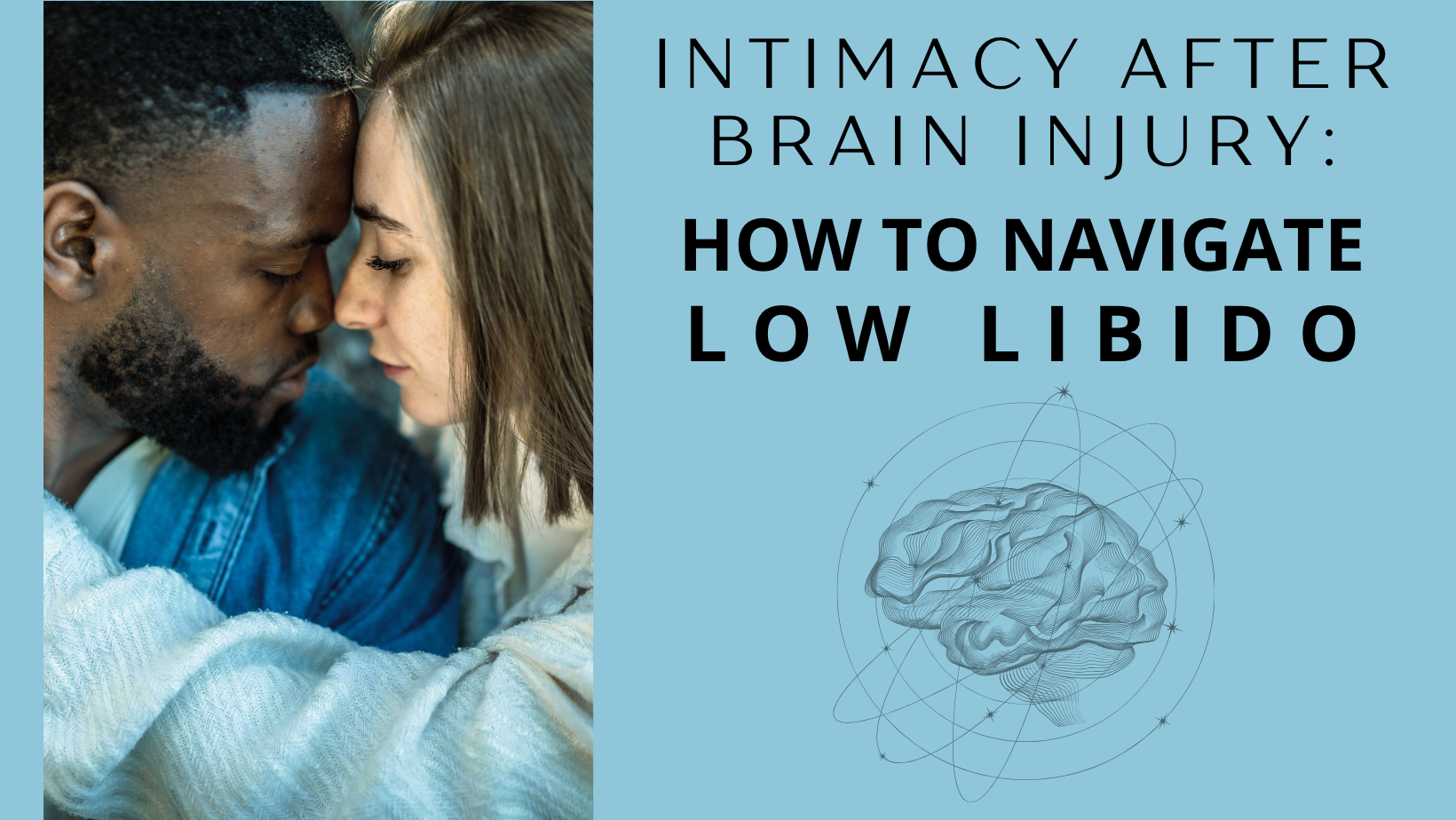
Recovering from a Traumatic Brain Injury (TBI) is often described as learning to live with a new brain. You'll likely work with therapists to walk again, speak again, and manage daily tasks that used to be simple. However, there is one area of life that rehabilitation programs frequently overlook: intimacy.
If you or your partner has experienced TBI, you may be struggling with a version of your sex life that now feels foreign. Some common feelings to have about intimacy after brain injury is not craving or wanting sex as often, or at all, or feeling overwhelmed by the sensation of touch.
The changes you are experiencing are neurological, not personal.
A 2020 study found that 73% of TBI survivors report a decline in sex functioning1. It also revealed that depression, not injury severity, is the strongest predictor of sexual difficulties1. This can offer hope because mood and emotional support can improve with the right care. There are ways to navigate the common challenges around intimacy that may arise after TBI.
- Understanding why TBI can lower libido or heighten sensitivity. Knowing why you feel this way takes the blame off your or your partner.
- Communication tools reduce pressure. Simple systems like the Yes/No/Maybe list method make talking about intimacy easier when words feel hard.
- Ways to manage overstimulation and physical discomfort. From dimming lights to using relief serums or lubes can make touch feel good again, not overwhelming.
The Invisible Symptom: Understanding TBI and Sex Drive
One of the more jarring changes to occur after a brain injury is a shift in libido. Your libido is your sexual desire or the mental energy/emotion related to sex. For some who've experienced TBI, their sex drive vanishes entirely. For others, it may increase due to disinhibition or damage to the brain's impulse control centers.
Why Does This Happen?
Your brain is the largest sex organ in your body.

It controls your hormone regulation, impulse control, and the processing of sensory input. All of these factors are critical components of arousal. When the brain gets injured, the chemical and neurological pathways that initiate desire can be disrupted.
Sexual dysfunction after TBI is "multifactorial". If your libido has flatlined after TBI, it could be due to one of these three things:
- 1Hormonal Shifts: The pituitary gland can be affected by TBI, altering testosterone and estrogen levels.
- 2Executive Dysfunction: Arousal starts in the brain. If initiating sex or responding to a partners' initiation requires mental energy you don't have, the desire may never get "permission" to start.
- 3Emotional Numbness: Depression and emotional blunting are common after TBI, which can dampen or mute feelings of passion or attraction.
When Sensitivity Becomes Overwhelming
Beyond low libido, many survivors struggle with sensory sensitivity after TBI. Touch that may have felt good before might now feel like sandpaper on your skin. That sensitivity can be present in all of your senses; light may now be too bright or music too loud.
This can make "spontaneous" sex seem difficult. When your nervous system is already on high alert, adding in physical intimacy can trigger anxiety or even cause pain instead of pleasure.
Tools and Strategies for Rebuilding Connection
Instead of waiting for your libido to return to "normal," you can meet your body where it is right now.

1. Communication Tools: Talking When Words are Hard
TBI can affect your cognitive function, including processing speeds and finding the right words. Trying to have a spontaneous conversation about your needs in the middle of an intimate moment can become overwhelming.
Through research we know these practices are some of the most effective ways for couples to start rebuilding their sex life2.
The Yes/No/Maybe List
Sit down with your partner outside of the bedroom and go through a list of intimate activities. This can include positions, areas of your body you're okay with them touching, toysyou'd like to include, etc. From there, you can clearly mark things as "Yes," "No," or "Maybe" to remove pressure from a verbal conversation.
The Traffic Light System
Communicating during intimacy is still important as some things might feel different than you expected when seeing them written out. During intimacy, use simple code words. "Green" can mean keep going, "Yellow" can mean slow down or adjust, and "Red" can mean stop completely. This can help alleviate the frustration of trying to explain a complex feeling during the heat of the moment.
2. Sensory-Friendly: Managing Overstimulation

Touch might feel like it's too much now, and that's okay. There are ways you can control the sensory environment yourself.
Environmental Factors
After TBI, you can become more sensitive to external stimuli. If you're in a state of overstimulation, it will make intimacy more difficult to enjoy. Swap out harsh or bright lights for softer, dimmable lamps. This can help with visual stimulation.
Consistent audio stimulation may also fatigue the brain and make it harder to stay concentrated during sex. Loud TVs or radios could be distracting. If you prefer to have music to set the mood, start with the sound down low so as not to overwhelm your senses too quickly.
Relaxing Aids
After an injury to the body, being able to relax can be difficult. If your body is tense, it will be hard to enjoy any form of pleasure. Simple massage may help you relax, but adding in additional support can bring it to the next level. Using a coconut oil based lube can help promote relaxation and be used as a massage oil to help with pain or discomfort in the muscles or joints.

3. Products Meant to Enhance: Reconnecting with the Body
Sometimes, the goal of intimacy isn't to orgasm; it can be about feeling good in your body again. Some medications for TBI may have a side effect of vaginal dryness or erectile dysfunction. This can make physical touch uncomfortable or frustrating.
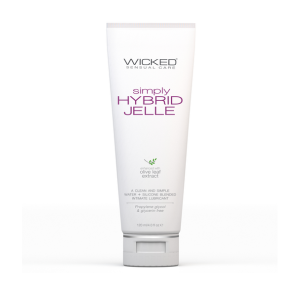
When sensitivity is an issue and touch might not feel the same, a quality lube can help alleviate some frustrations. Using a hybrid lube, like Wicked Sensual Care Simply Hybrid Jelle Lube can create slick, smooth touch with minimal friction or discomfort. A hybrid lube will last longer than a standard water-based lube. Start with noticing how the lube feels on the skin. Gently massage around intimate areas to warm up to more intense touch. Go at a pace that is comfortable to you.
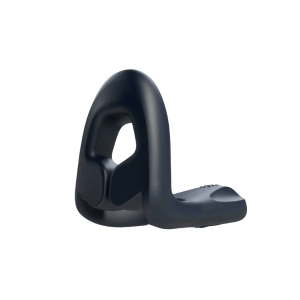
If your TBI or the resulting medication is causing you issues in gaining or maintaining an erection, a wearable vibrator like the Tenuto 2can help. This device can be placed at the head or base of the penis, depending on how stiff the erection is and using vibration to help get you aroused and keep you aroused. If you're at a place in your healing where you're comfortable with your partner assisting, you can implement this into foreplay to encourage connection.
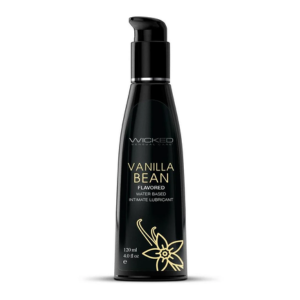
Don't underestimate the power of touch. Flavored lubes can be used to give non-sexual massages to the back, legs, arms, neck, etc. Use it as a chance to rediscover which parts of your body still enjoy being touched and which areas need a lighter approach. A subtle scent like vanilla can help relax the body and mind and focus on the feeling.
Advice for Partners
To the partners reading this, your role is crucial. You can help relieve some of the pressure around intimacy after TBI. Research consistently shows that relationship quality and emotional support are major factors in sexual outcomes for survivors3. If you push for intimacy you "used to have," you may trigger anxiety and cause your partner to shut down.
Instead, focus on building connection again with parallel play. By simply being in the same space, watching a movie, or holding hands you can rebuild trust and connection before rebuilding your sex life.
Continuing Intimacy with TBI
Traumatic Brain Injury changes the map of your brain, but it doesn't have to erase your capacity for connection. Using the right aids and giving yourself permission to redefine what intimacy looks like can help you find your new normal. That new normal should be comfortable, compassionate, and yours.
FAQ: Intimacy After Traumatic Brain Injury
Is it normal to lose interest in sex after a traumatic brain injury?
Yes. A 2020 study found that 73% of TBI survivors report a decline in sexual functioning. Hormonal shifts, executive dysfunction, and depression can all lower libido, and these changes are neurological, not personal.
Can a brain injury increase sex drive?
It can. For some survivors, damage to the brain's impulse control centers leads to disinhibition and a higher sex drive. If this causes distress for you or your partner, talk with your rehabilitation team.
Why does touch feel overwhelming after TBI?
TBI can heighten sensory sensitivity, so touch, light, and sound may feel more intense than before. Dimming the lights, keeping music low, and starting with slow, non-sexual massage can help touch feel good again.
How can couples communicate about intimacy after TBI?
Simple tools reduce pressure. A Yes/No/Maybe list, completed together outside the bedroom, lets you mark activities in writing, and the traffic light system (green to keep going, yellow to slow down, red to stop) makes it easy to check in during intimacy.
How can partners support intimacy after a brain injury?
Avoid pushing for the intimacy you used to have. Focus on rebuilding trust through parallel play, such as watching a movie or holding hands. Research shows relationship quality and emotional support strongly influence sexual outcomes for survivors.
Products Featured in This Article
Disclaimer: This content is for educational purposes only. Intimacy Rehab does not provide medical diagnosis. Always consult your healthcare provider about medical concerns related to your specific condition.
References
- Fraser, E. E., Downing, M. G., & Ponsford, J. L. (2020). Understanding the multidimensional nature of sexuality after traumatic brain injury. Archives of Physical Medicine and Rehabilitation, 101(12), 2080-2086.
- Patsakos, E. M., Backhaus, S., Farris, K., King, M., Moreno, J. A., Neumann, D., Sander, A., & Bayley, M. T. (2024). INTIMASY-TBI Guideline: Optimization of INTIMacy, SexualitY, and Relationships Among Adults With Traumatic Brain Injury. Journal of Head Trauma Rehabilitation, 39(5), 395-407.
- Mavroudis, I., Petridis, F., Kazis, D., Dascalescu, G., Ciobica, A., Ilea, C., Anton, S. C., & Anton, E. (2025). Sexual dysfunction in traumatic brain injury: A narrative review and call for multidisciplinary framework. Life, 15(11), 1659.