Intimacy is a fundamental part of being human. But when your body changes, whether from a diagnosis, life-altering event, or a condition you've navigated since birth, it can feel like the rules to intimacy have been rewritten. You may be wondering: Can I still have a fulfilling sex life? Am I able to have enjoyable sex? What if my body doesn't work the way I want it to?
The truth is, your sex life isn't over; it's just evolving. This guide to adaptive sex will walk you through adaptive intimacy strategies, intimacy basics, and practical ways to reconnect with pleasure on your own terms.
How Disability and/or Chronic Illness Can Affect Intimacy

Disabling conditions can impact sexuality in several ways. According to a 2025 article, these impacts can fall into three categories3:
- Primary Impairments: loss of sensation, erectile dysfunction, altered arousal
- Secondary Impairments: pain, fatigue, spasticity, incontinence, muscle weakness
- Participation Restrictions: difficulty finding comfortable positions, challenges with spontaneity, changes in self-image
No matter if you're living with spinal cord injury, multiple sclerosis, chronic pain, Ehler-Danlos syndrome, an amputation, stroke, or any other condition that affects mobility or sensation, these challenges are real, but manageable.
A note for partners: Your role matters. Supporting your partner through these challenges takes patience, openness, and a willingness to explore together.
Communication and Mindset
The most important tool you have at your disposal is communication. Research shows that healthcare providers often overlook sexual health when it comes to rehabilitation7. The same issue could be happening between partners. If everyone feels uncertain, no one may bring it up.
Starting the conversation might feel difficult, but research emphasizes that creating a respectful, non-judgemental environment is essential when discussing sexual health with a patient or partner2. Here's a few starting tips for the conversation:
- Choose a neutral moment. Get away from the bedroom. Bring it up in a relaxed moment like over tea or on a walk.
- Use "I" statements. "I've been feeling nervous about how to be intimate again" opens the door gently with room to be vulnerable. It's less harsh and accusatory than saying, "we never have sex anymore."
- Ask open-ended questions. "What feels good to you right now?" encourages and invites exploration rather than creating pressure.
Exploring New Positions
There's no "one-size-fits-all" position when it comes to adaptive intimacy. Different injuries and illnesses cause different kinds of pain or discomfort. The best position is the one that works for your body, with your specific limitations and strengths. The following positions for chronic pain and other challenges are frequently recommended in rehabilitation.
Adaptive Position Guide
1. Side-Lying ("Spooning")
Best for: Back pain, limited mobility, fatigue, arthritis, spasticity
"Side-lying" is one of the most practiced sexual positions among female partners with chronic back conditions4. The position requires minimal movement, reduces pressure on the joints, and allows both partners to use their hands freely for stimulation or positioning adjustments. Sex with a disability can become more accessible by starting with low-movement positions.
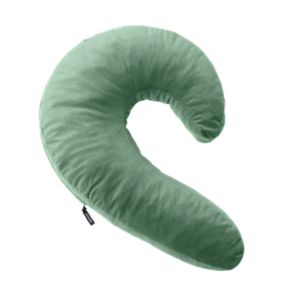
How to try it: Both partners lie on their same side, one behind the other. Pillows or wedges can support the neck, knees, and lower back. This position also works well with hands-free toys.
2. Modified Missionary (Supine with Support)
Best for: Lower back pain, muscle weakness, pelvic floor concerns
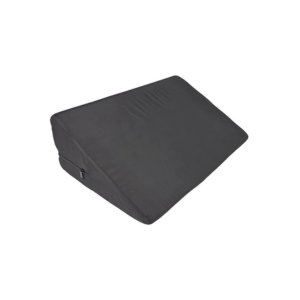
This is an adaptive missionary position. The receiving partner lies on their back near the edge of the bed, hips slightly raised with a wedgeor pillow. The partner stands or kneels between the receiving partner's legs, supporting them to help reduce strain.
Why it works: Lying supine with your hips slightly elevated can help reduce pressure on the pelvic floor. This not only alleviates pain from the pressure, it can also help ease concerns about bowel or bladder control.
3. Modified Doggie Style (Prone with Wedge)
Best for: Limited mobility, spasticity, partners who prefer rear entry
For this adaptive position, the receiving partner lies on their stomach with a wedge or firm pillow placed under the lower abdomen, elevating their hips. This gives easier access without requiring the receiving partner to support their weight by being on their hands and knees.
Pro tip: Placing additional pillows under the knees, ankles, or chest can prevent muscle fatigue and spasticity.
4. Seated Positions (Chair or Edge of Bed)
Best for: Limited standing tolerance, joint pain, fatigue

A study done in 1999 (and revisited in 2025) found that 41% of sexually active participants with chronic back pain preferred to engage in seated positions6,9. Seated positions (like sitting on a chair) can reduce weight-bearing demands and allow for greater control over movement.
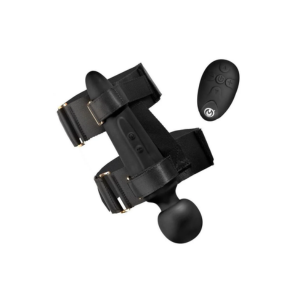
How to try it: The partner with limited mobility can sit on a sturdy chair or at the edge of the bed. The other partner can straddle them or kneel in front of them, depending on their own range of motion. Incorporating hands-free toys can elevate the experience for both partners. Adapting intimacy after injury or a new diagnosis often means rethinking how you approach these moments.
5. Standing or Kneeling with Support
Best for: Partners who prefer upright positions but need stability
For those who can stand, but just need some support, standing at the edge of the bed with the receiving partner lying supine allows the standing partner to control movement while their legs bear the weight. Alternatively, kneeling on a padded surface with support from furniture can reduce strain.
Managing Common Barriers to Intimacy
Pain
Pain during intimacy is common. In one study, 87% of chronic pain patients reported that pain "extremely interfered" with their sexual intercourse. 64% reported that the pain worsens after sex6.
Ways to help:
- Choose positions that avoid the painful area
- Use pillows and/or wedges to offload pressure
- Consider timing intimacy around pain medication schedules
- Stop if pain increases. Listening to your body and stopping if necessary does not make you or your body a failure.
Spasticity and Muscle Spasms
Spasticity can cause sudden muscle tightness that disrupts intimacy. For some people, spasticity can increase during intimacy as their body experiences intense emotions and sensations.
Ways to help:
- Gentle stretching before intimacy
- Positioning with pillows to support your limbs
- For some, timing intimacy around spasticity medication can help (consult with your provider)
Fatigue
Energy limitations are real. You don't have to "save" your energy for marathon sessions.
Ways to help:
- Shorter, more frequent intimate moments
- Positions that require minimal movement (side-lying, supine)
- Accepting that intimacy can include non-penetrative options (it doesn't always have to be the "full" experience to still feel good)
Bladder and Bowel Concerns
Fear of losing control of your bowels is one of the most common concerns when it comes to intimacy after illness or diagnosis. It's also rarely discussed.
Ways to help:
- Empty your bladder (or colostomy bag) before intimacy
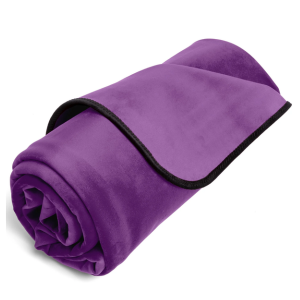
- Use waterproof pads or towels for peace of mind
- Consider positions that reduce pelvic floor pressure (lying supine with hips raised or side-lying)
- Laugh it off and move on if something does happen. It's a natural part of being human.
The Role of Adaptive Products
For many people, adaptive intimacy products aren't "extras," they're what makes intimacy possible. The right products can help with positioning, stimulation, and comfort.
Positioning Support
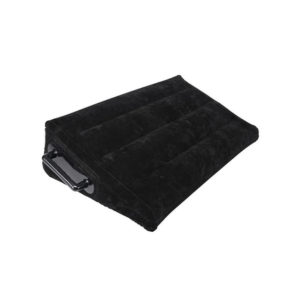
Wedge pillows provide firm, angled support that regular pillows cannot match. A wedge under the hips or lower back can reduce strain and improve access during supine positions. Some wedge pillows include multiple pieces so you can customize your angles, or are inflatable to allow you to better adjust the cushion.
Stability and Support
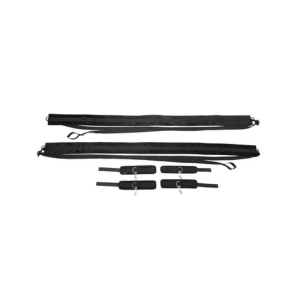
Spreaders and harnesses can help maintain positioning when range of motion may be limited. Ankle cuffs with leg straps, for example, can support the legs without requiring the receiving partner to hold them in place. This can help reduce fatigue and allow for longer, more comfortable intimacy.
Stimulation Tools
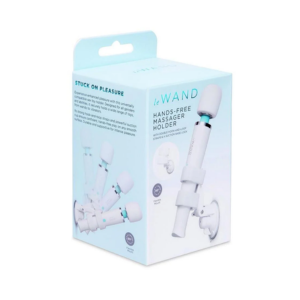
Hands-free vibrators or toys are a game-changer for anyone with limited hand mobility or dexterity. These can be positioned between partners during spooning or missionary, providing stimulation without requiring fine motor control.
Arousal and Comfort
Arousal lubricants or serums can increase blood flow and sensation. Standard lubes are essential for anyone who may experience vaginal dryness or reduced natural lubrication. Either of these could be caused by spinal cord injury, menopause, or as a side effect to certain medications.

Moving Forward: Experimentation and Self-Compassion
Perhaps the most important thing is to explore your changing body and experiment with new approaches to intimacy. This isn't about "fixing" something that's broken; because you're not broken. It's just about learning the new landscape that is your body now.
Remember to give yourself the space to grieve what's changed but to also stay open to what's now possible. If you're nervous about the changes, start with self-exploration before including a partner. Exploring on your own might feel safer and give you a chance to re-discover yourself.
As a final note, celebrate the small moments of connection, intimacy isn't always about intercourse. Whether you're just beginning to explore intimacy basics, following this intimacy guide, or revisiting adaptive intimacy after years of change, give yourself permission to go at your own pace.
FAQ: Adaptive Intimacy Basics
What is adaptive intimacy?
Adaptive intimacy means adjusting how you approach sex and closeness so it works for your body as it is now, whether the changes come from a diagnosis, an injury, or a lifelong condition. It can include new positions, supportive products, and new ways of communicating with a partner.
What are the best sex positions for limited mobility or chronic pain?
Side-lying (spooning), modified missionary with a wedge under the hips, lying face down over a wedge, and seated positions on a chair or the edge of the bed are frequently recommended in rehabilitation. The best position is the one that fits your specific limitations and strengths.
How do I talk to my partner about sex after a disability or diagnosis?
Choose a neutral moment outside the bedroom, use "I" statements such as "I've been feeling nervous about how to be intimate again," and ask open-ended questions like "What feels good to you right now?" to invite exploration without pressure.
How can I manage bladder or bowel concerns during intimacy?
Empty your bladder or colostomy bag beforehand, use waterproof pads or a waterproof blanket for peace of mind, and choose positions that reduce pelvic floor pressure, such as side-lying or lying on your back with your hips raised.
Do adaptive sex products really help?
For many people, they are what makes intimacy possible. Wedge pillows support positioning, straps and cuffs reduce the effort of holding a position, hands-free vibrators help with limited hand mobility, and lubricants or arousal serums help with dryness or reduced sensation.
Products Featured in This Article
Scroll to see more products →
Disclaimer: This content is for educational purposes only. Intimacy Rehab does not provide medical diagnosis. Always consult your healthcare provider about medical concerns related to your specific condition.
References
- Danazumi MS, Adamu IA, Usman MH, Yakasai AM. Manual therapy plus sexual advice compared with manual therapy or exercise therapy alone for lumbar radiculopathy: a randomized controlled trial. J Osteopath Med. 2024;125(1):25-34.
- British Psychological Society. Guidance for clinicians supporting vulnerable people with sexual functioning. BPS Reports. 2025.
- Laxe S, Rathore FA, Kiekens C. The rehabilitation management of sexuality and fertility issues in people with disabling health conditions. J Pak Med Assoc. 2025;75(07):1153-1155.
- Oelofse W. Sexual Function and Reproductive Health after Spinal Cord Injury. Physiopedia. 2026.
- Monga TN, Tan G, Ostermann HJ, Monga U, Grabois M. Coital positions and sexual functioning in patients with chronic pain. Sex Disabil. 1999;17(4):287-297.
- Baylor College of Medicine – Center for Research on Women with Disabilities. Positioning for Women with Disabilities.
- Tudela S, Rousseau O, Needle J, Barnhart J, Do T. OT for Acquired Physical Disabilities. Student Research Design & Innovation Symposium. 2025.
- Westheimer RK, Linsenmeyer TA. Sexuality despite disability: Intimate and reproductive solutions. In: Rehabilitation Medicine. Elsevier; 2024.
- Sexual health and chronic low back pain: A qualitative study. N Am Spine Soc J. 2025;22:100609.