Receiving a life-changing diagnosis, whether it's an illness, injury, or progressive condition, can feel like the ground shifts beneath your feet. In the time that follows, your focus is on treatment, management, and simply coping with this new normal. But eventually, life continues, and with it, the natural human desire for connection and intimacy.
If you're someone who has been given a life-changing diagnosis, or the partner of that someone, you might be wondering: What happens to my sex life now? Is intimacy even possible with my/their body?
The short answer? Yes. It just might look different.
Here is what you need to know:
- Intimacy changes after diagnosis are normal. Physical symptoms, emotional shifts, and medication side effects all play a role.
- Sex and chronic illness can coexist. It may take more communication, more planning, or more aids, but pleasure is still possible.
- Redefine what sex means to you. Moving away from a performance-focused model and toward pleasure-focused connection can be transformative.
- Practical tools exist to help. From positioning aids to vibrators, adaptive products are bridges back to comfort and intimacy.
- You deserve pleasure and connection. Your body has changed, but it is still capable. You're not alone in this journey.
It might require more communication, more planning, or more aids. But the capacity for pleasure, connection, and intimacy does not disappear with a medical diagnosis. When navigating sex and chronic illness, the key is adapting to it, not abandoning it. Everyone deserves a fulfilling intimate life, regardless of physical or mental health changes. Let's navigate your "new normal" together.
Why Intimacy Changes After Diagnosis
It's important to note that the shift you are feeling now is completely normal. Changes to your sex life after a diagnosis usually fall into three categories:

1. Physical Changes
This can include pain, fatigue, nerve damage, loss of mobility, hormonal shifts, or the physical impact of surgeries. For example, a condition like arthritis might make certain sex positions painful, while nerve damage from a spinal cord injury might alter how you feel sensations.
2. Emotional/Psychological Changes
Diagnosis often triggers grief for the "old you." You may feel less confident in yourself, less desirable, or anxious about performance in the bedroom. Depression and anxiety after a diagnosis is common and are major inhibitors of libido.
3. Medication Side Effects
Many medications (antidepressants, blood pressure meds, painkillers, etc) have side effects that directly impact sexual function. This can include difficulty with arousal, vaginal dryness, or struggling to reach orgasm.
Acknowledging these changes is the first step to better intimacy. The next step is learning how to work with your new body, not against it.
Redefining What "Sex" Means
One of the most freeing mental shifts you can make is to expand your definition of intimacy and sex. If your previous focus was on intercourse and orgasm as the end "goal," you might find yourself getting frustrated by that now.
Instead, consider a pleasure-focused model. This removes the pressure of penetration and orgasming and opens up a world of connection. Intimacy can be:
- Sensual massage without expectation. Explore what feels good.
- Prolonged kissing and touching.
- Using vibrators or other sex products together.
- Simply lying naked together. Skin-to-skin contact can be relaxing and improve your connection.
By taking the focus off performance and putting it on pleasure outside of traditional sex, you often find that intimacy deepens.
Communicating with Your Partner
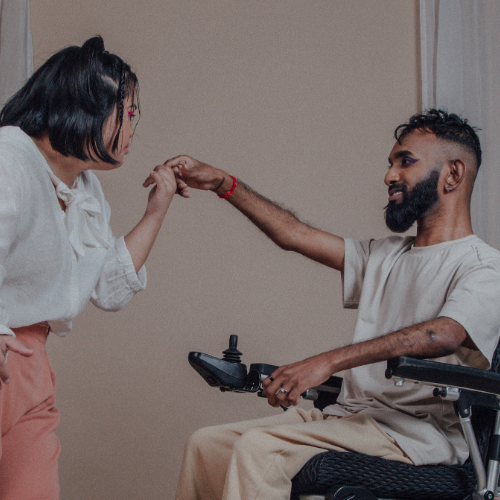
For many people, this is often the hardest part. You may be afraid of rejection or worried your partner no longer finds you attractive. Silence and not speaking your mind, however, breeds resentment, confusion, and loneliness.
Start the conversation outside the bedroom. The worst time to have this conversation is in the middle of intimacy. Things you could say are:
"I miss being close to you, but my body feels different now. Can we talk about it?"
"I want to be intimate with you, but I'm scared. I need us to go slow."
"I'm not sure what my body can do just yet. Can we explore together?"
Invite your partner to be a part of the journey. Chances are, they are also navigating their own fears about hurting you or not knowing what to do.
Practical Tools for Comfortable Sex
You don't need to navigate the physical barriers alone. There are products designed specifically to make sex accessible and comfortable. These aren't "medical devices," they are bridges back to a world of pleasure.
Positioning Aids
Wedges, ramps, and pillows can support joints, reduce pressure, and make intimate touch possible for those with limited range of motion, mobility, or pain.

Vibrators for Sensation
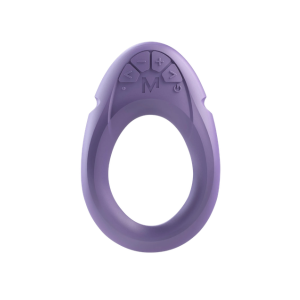
For those with nerve damage or reduced sensation, a strong vibrator can help awaken pleasure receptors. For someone with hypersensitivity, lighter, adjustable toys allow for controlled stimulation.
Comfort and Lube
High-quality lubeis non-negotiable, especially if medications you're on cause vaginal dryness.

Massage for Relaxation and Arousal
Touch is a powerful bridge to intimacy, especially when other forms of sex feel different or overwhelming. A coconut oil lube can help you relax and moisturize your skin.

Adaptive Products
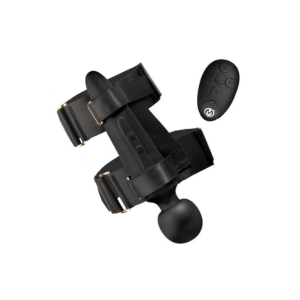
Long-handled massagers, ergonomic toys, and wearable devices allow for more independence if hand or arm mobility is an issue.
It's Okay to Grieve
Lastly, give yourself permission and space to grieve. It is okay to miss the way things used to be. Acknowledging that loss is a part of accepting the present situation. But, don't get stuck there. Your body has changed, but it is still capable of giving and receiving pleasure. Your body is just speaking a different language now.
At Intimacy Rehab, we are here to help support you while you learn that new language, with education, and products designed for real bodies living real lives. Sexuality and disability aren't mutually exclusive, they're simply a part of your unique story.
FAQ: Sex Life After Diagnosis
Is it normal for your sex life to change after a diagnosis?
Yes. Changes usually fall into three categories: physical changes such as pain, fatigue, or nerve damage; emotional changes such as grief, anxiety, or depression; and medication side effects. Acknowledging these changes is the first step toward better intimacy.
Can medications affect sexual function?
Yes. Antidepressants, blood pressure medications, painkillers, and many others can cause low desire, difficulty with arousal, vaginal dryness, erection problems, or trouble reaching orgasm. Never stop a medication on your own; ask your provider whether an adjustment is possible.
How do I talk to my partner about sex after a diagnosis?
Start the conversation outside the bedroom. Try something like "I miss being close to you, but my body feels different now. Can we talk about it?" and invite your partner to explore with you, since they may have their own fears about hurting you.
What counts as sex if intercourse is difficult?
A pleasure-focused approach includes sensual massage, prolonged kissing and touching, using vibrators together, or simply lying skin to skin. Taking the focus off performance and orgasm often deepens intimacy.
What products help make sex more comfortable after a diagnosis?
Positioning wedges and ramps support joints and reduce pressure, vibrators help with reduced sensation, high-quality lube eases dryness, and wearable or long-handled devices add independence if hand or arm mobility is limited.
Disclaimer: This content is for educational purposes only. Intimacy Rehab does not provide medical diagnosis. Always consult your healthcare provider about medical concerns related to your specific condition.