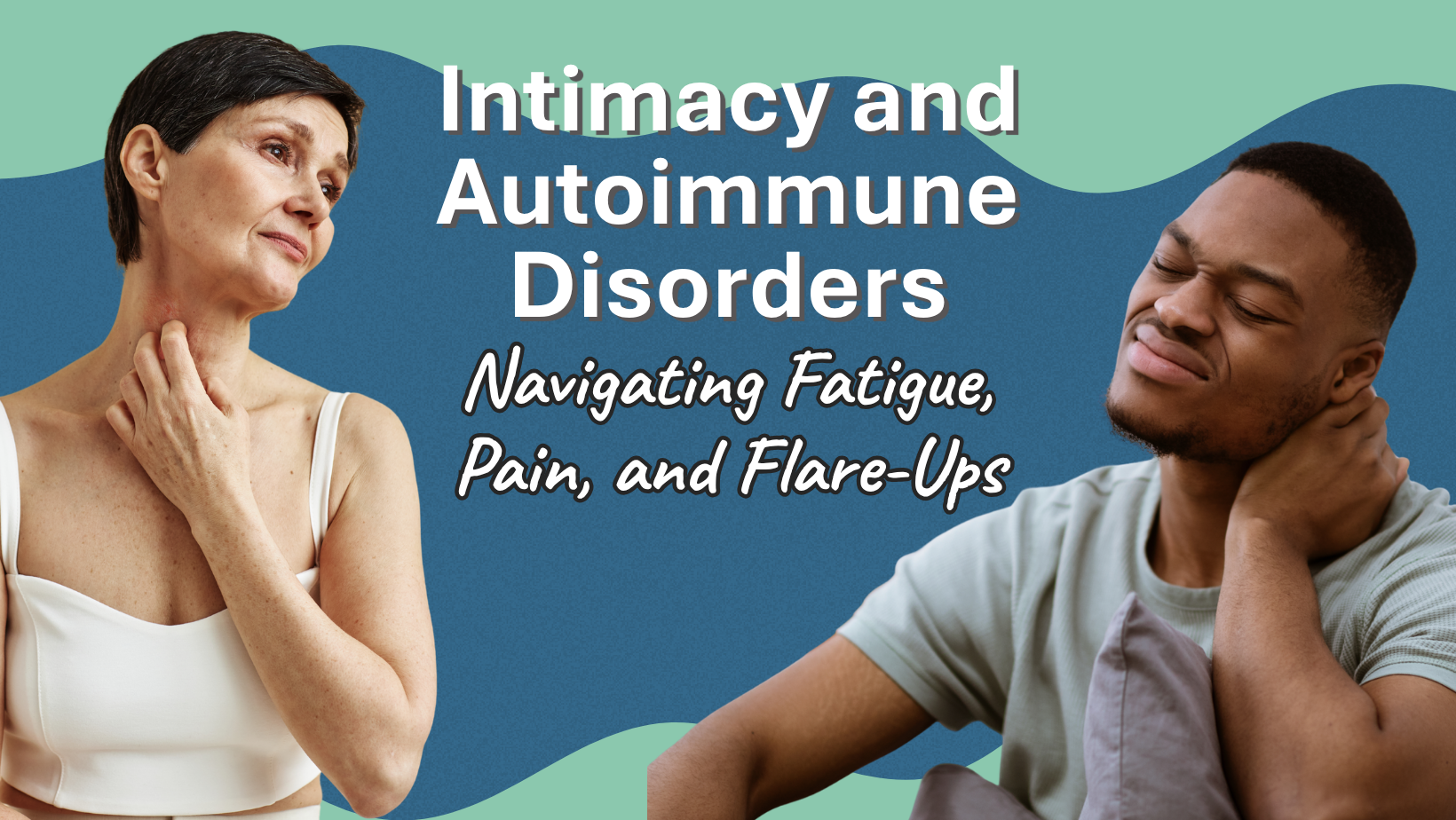
- Sex and autoimmune disease intersect in ways that go well beyond physical symptoms. Fatigue, pain, joint stiffness, hormonal shifts, and medication side effects can all chip away at desire and arousal, and sexual dysfunction is far more common among people with autoimmune conditions than most people realize.
- Managing intimacy during flare-ups is about working with your body, not against it. Planning around your energy, using support for pain, and leaning on lubrication or gentle stimulation when you need it are all legitimate ways to stay connected, not shortcuts or compromises.
- You still deserve love and intimacy, even when it looks different than it used to. Needing help, needing to go slower, or needing a partner to do more of the work doesn't make you less desirable. It makes you human.
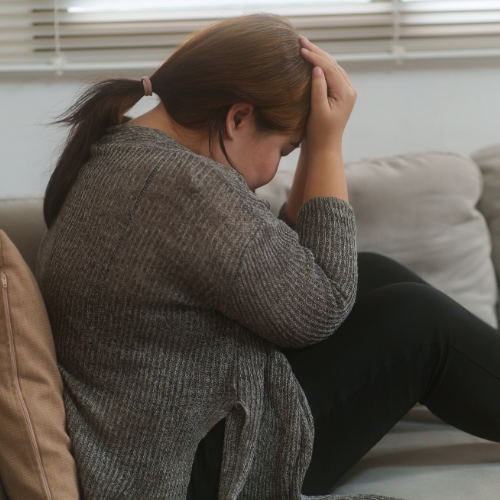
When you live with an autoimmune disorder, so much of your energy goes toward just getting through the day. Managing pain, fighting through fatigue, and keeping flare-ups under control can leave little left over for anything else, sex included. And it's hard to feel desire when you're exhausted or hurting. None of that means intimacy is off the table. It usually just means it needs a little more planning, patience, and communication than it used to, and that's okay.
There are more than 100 recognized autoimmune diseases, and they can affect almost any part of the body. Some of the most common include lupus, rheumatoid arthritis, multiple sclerosis, Sjögren's syndrome, psoriasis and psoriatic arthritis, Crohn's disease, celiac disease, type 1 diabetes, and Hashimoto's thyroiditis.5 Whatever condition you're navigating, much of what follows applies broadly, since fatigue, pain, and flare-ups show up across many of them.
Why Sex and Autoimmune Diseases Are So Connected
Sexual dysfunction shows up far more often in people with autoimmune rheumatic conditions than most people expect, with rates ranging anywhere from about 30% to 90% depending on the condition. Chronic pain, fatigue, joint stiffness, hormonal imbalances, and the psychological weight of managing a chronic illness all contribute, and sexual health is often one of the most overlooked parts of autoimmune care.1
This shows up physically in different ways for different bodies. Conditions like lupus, rheumatoid arthritis, Sjögren's syndrome, type 1 diabetes, and multiple sclerosis are commonly linked to vaginal dryness and erectile dysfunction, both often tied to nerve or blood vessel changes caused by the underlying disease.1 Whatever your body and condition, the throughline is the same: autoimmune disease affects the whole body, and that includes your sexual health.
Is It Okay to Have Sex During Flare-Ups?

In most cases, yes. More importantly, listen closely to your body and do what feels best to you. It helps to talk openly with any partner(s) you have, or go over boundaries with yourself, about what feels okay that day. Adjusting positions, pacing, or the kind of intimacy you're engaging in can go a long way toward minimizing discomfort while still staying connected.
If a flare-up brings new or severe symptoms, it's always worth checking with your doctor, but day-to-day flare-up management doesn't have to mean putting intimacy on hold entirely.
Energy Conservation: Planning Ahead for Intimacy
One of the most practical shifts you can make is treating intimacy like any other activity that takes energy, which means planning for it instead of hoping it happens spontaneously. Pay attention to your own patterns. Is your energy better in the morning, before the day's fatigue sets in? Or later at night, once pain medication has kicked in and obligations are behind you? There's no right answer, just the one that fits your body.
Comfort matters just as much as timing. It's hard to feel sexy when you're hurting, and support pillows can take pressure off joints and your back so you can relax into a position instead of bracing through it. The Bedroom Bliss Love Cushion is a compact, low-effort option that offers subtle lift and reduces pressure on joints without taking up much space or requiring much setup.

The Liberator Lune Snuggle Pillow is another good example of comfort-first design. It contours to your neck, shoulders, knees, and back to ease pressure. Comfort can absolutely be the priority, there's nothing wrong with wanting to be snuggled up and supported rather than working to hold a position. If grip strength, dexterity, or stamina are part of your day-to-day reality, hands-free toys are worth knowing about too. The Liberator Lune even has a hidden pocket built for a small vibrator, so you get full-body support and stimulation in one low-effort piece.

The Pivot Convertible Toy Mount works similarly, holding a vibrator securely in place so you don't have to grip or reposition it yourself.

Explore the full hands-free collection, the comfort and pain reduction collection, and the positioning and stabilization collection for more options built around reducing physical strain.
Lubrication and Arousal: It's Okay to Need a Little Help
Dryness can be a side effect of autoimmune medications, hormonal shifts, or simply something your body needs extra support with, and there's no reason to push through discomfort when a good lube can solve the problem. The Wicked Sensual Care simply® Aqua Water-Based Lubricant is a gentle option worth keeping on hand.

Fatigue and pain can also make it harder to feel aroused, even when desire is there underneath it all. Sometimes you need a little help getting things going, and that's completely normal. The Wicked Sensual Care Awaken Stimulating Clitoral Gel can help set the mood and ease the transition into arousal when your body needs a gentle nudge.

Explore the full adaptive lubrication collection for more options.
Hygiene Matters, Especially If You're Prone to Infection
If you're already managing an autoimmune condition, dealing with a UTI or other infection on top of it is the last thing you need. Keeping toys clean is a simple habit that matters more than it might seem. The Wicked Sensual Care simply® Foam and Fresh Toy Cleaner makes this an easy part of your routine, not an extra chore to remember.

Kegel Exercises Can Help Too
Pelvic floor exercises aren't just for postpartum recovery. Doing Kegel exercises can increase blood flow to the area around your genitals, which can help you feel more aroused and physically ready for intimacy. The Wellness Kegel Silicone Training Kit offers a simple, low-impact way to build this into your routine, which can be especially useful on days when you just don't have the energy for more active exercise.

Feeling Desirable When You Need Help

Sometimes the biggest barrier to intimacy isn't physical; it's how you feel about yourself or your body. Needing other people to help you with everyday tasks can be a real adjustment, and it's common for that adjustment to spill over into how desirable or confident you feel in intimate moments.
One woman living with lupus described this exact struggle, sharing that needing help from others was a genuine hurdle to feeling sexy, until she realized that the issue was happening entirely in her own head, and that it had no real effect on how her partner actually saw her.4
That's worth sitting with. Needing support doesn't make you less desirable to the people who love you. It's often a story we tell ourselves that doesn't match how our partners actually experience us.
Can Medications Affect Libido?
Yes, and it's worth knowing this isn't just in your head. Certain medications used to treat autoimmune diseases, including glucocorticoids, immunosuppressants, and SSRIs prescribed for depression, can cause a real decrease in libido or sexual desire.1 If you've noticed a drop in desire since starting a new medication, it's worth mentioning to your prescribing doctor. There may be alternatives, or you may simply need reassurance that what you're experiencing is a known side effect rather than something wrong with you.
Talking to Your Partner(s)

You still deserve love and intimacy, even when your body needs more from your partner than it used to. The biggest shift that tends to help couples navigating autoimmune disease isn't a product or a position, it's communication. Being upfront about your energy levels, your pain, and what you need that day takes the guesswork out of intimacy and reduces the pressure to perform through discomfort. It may look different than it did before your diagnosis. It can still be just as real.
How To Have Sex With An Autoimmune Disorder FAQ
Does autoimmune disease affect men's sexual health too?
Yes. Conditions like type 1 diabetes, rheumatoid arthritis, lupus, and multiple sclerosis can lead to erectile dysfunction in men, usually due to nerve or blood vessel damage caused by the underlying disease.
What's the best way to manage intimacy during a flare?
Listen to your body first. Adjusting positions, pacing yourself, or choosing lower-energy forms of intimacy can help you stay connected without pushing through pain or exhaustion.
Will my autoimmune medication change my sex drive?
It can. Medications like glucocorticoids, immunosuppressants, and SSRIs are known to lower libido in some people. If you notice a change, it's worth raising with your doctor rather than assuming it's permanent.
Can I still have a fulfilling sex life with lupus or RA?
Yes. Sexual dysfunction is common with autoimmune rheumatic diseases, but it's manageable with the right combination of pain management, planning, lubrication, and open communication with your partner.1,2,3
Is working with a sex therapist worth it for autoimmune-related intimacy concerns?
For many people, yes. A sex therapist can help with communication, desire, sexual dysfunction, and finding accommodations that work for your specific symptoms, even if it isn't a required step for everyone.
Products Featured in This Article
Scroll to see more products →
Disclaimer: This content is for educational purposes only. Intimacy Rehab does not provide medical diagnosis. Always consult your healthcare provider about medical concerns related to your specific condition.
References
- In, M., Dutta, N., Patil, H., Mamadapur, M., Guruswamy, V. A., & Kumar M R, P. Sexual Dysfunction in Systemic Autoimmune Rheumatic Diseases: Prevalence, Impact, and Management Strategies. Mediterranean Journal of Rheumatology. 2025.
- Can I Have a Normal Sex Life With Lupus? Lupus Foundation of America.
- Lupus: Sexuality and Intimacy. Hospital for Special Surgery.
- Lupus, Sex and Sexuality. WebMD.
- Autoimmune Diseases: Types, Symptoms & Treatments. Cleveland Clinic. 2024.
Related Articles

Explore Adaptive Intimacy Products
Browse our curated collection of comfort pillows, hands-free tools, and lubricants designed to make intimacy with an autoimmune condition feel supported and low-effort.
Shop All Products