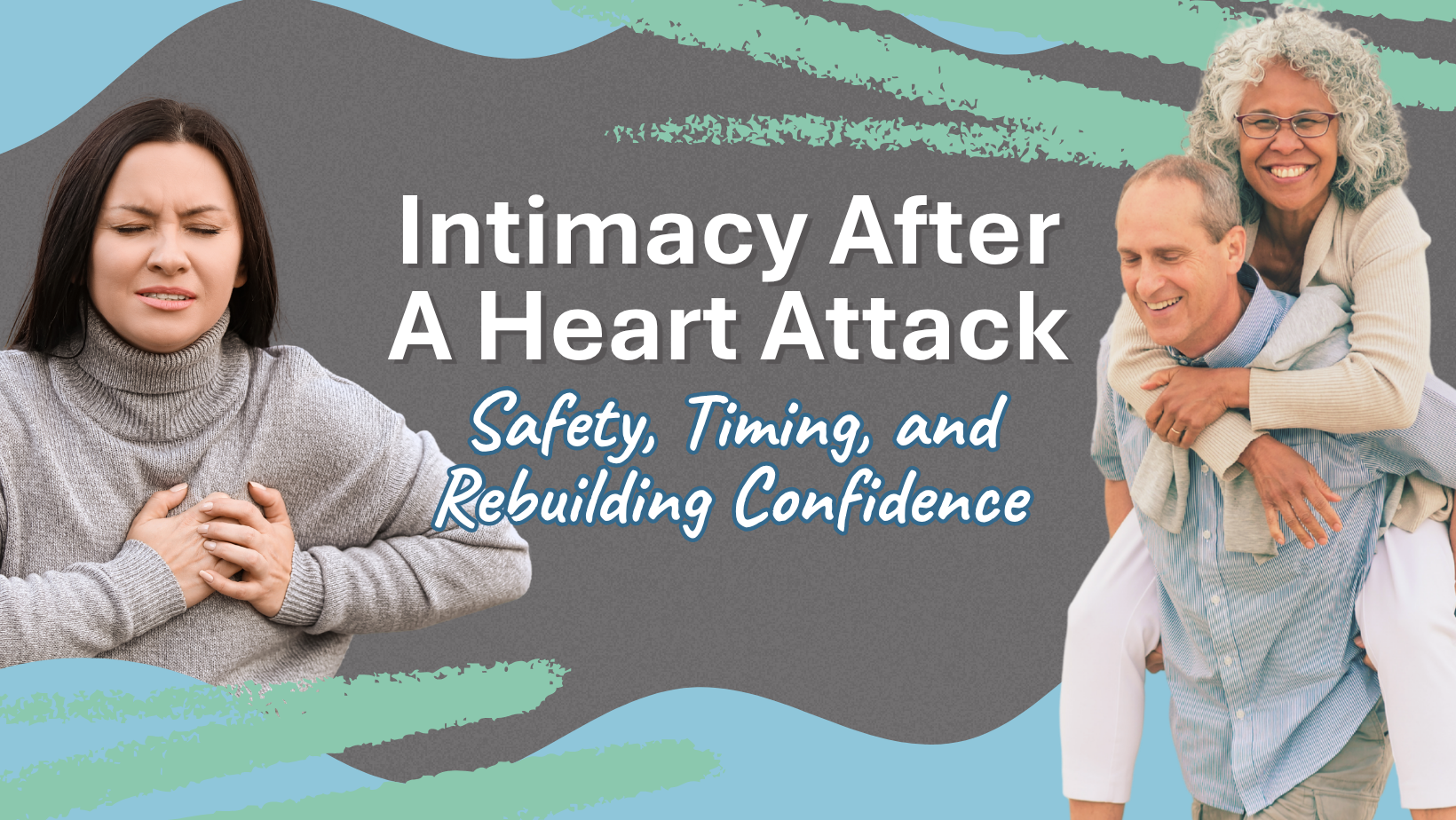
- Sex after a heart attack is safe for most people. As a general rule, if you can climb two flights of stairs without chest pain or shortness of breath, your heart can likely handle sex too, though your doctor and cardiac rehab team should confirm timing for your specific situation.
- You don't have to jump back in at full speed. Taking things at your own pace, starting with lower-energy forms of intimacy like touching, massage, or oral sex, and treating recovery as a gradual process rather than a return to "normal" overnight, is a normal and encouraged part of healing.
- Energy conservation and positioning matter. Supportive pillows and less strenuous positions reduce the physical effort your body has to put in, which can ease both cardiac strain and the anxiety that often lingers after a heart attack.
A heart attack changes a lot of things, and it's normal for intimacy to be one of them. Many people find themselves wondering if sex is even safe anymore, worrying about their heart, or just feeling like their body and confidence need time to catch up. All of that is a completely normal part of recovery, and there's a clear, well-supported path back to intimacy when you're ready.
Is Sex After a Heart Attack Safe?

For most people, yes. Sex is considered a mild-to-moderate physical activity, roughly comparable to climbing one or two flights of stairs. If you can do that, or take a brisk 10 to 20 minute walk, without chest pain, shortness of breath, lightheadedness, or extreme fatigue, your heart can most likely handle sex as well.1
It's worth knowing that sex doesn't place an unusual strain on the heart. Everyday activities like arguing, driving in traffic, or watching an exciting movie can actually raise your heart rate and blood pressure just as much, sometimes more. For most couples, intercourse affects the heart about as much as climbing two flights of stairs.4
There's no single fixed timeline that applies to everyone. How soon you can safely resume sex depends on the severity of your heart attack, how your heart function was affected, and how your recovery has progressed. Someone who had a mild heart attack and a stent placed may be ready within a couple of weeks, while someone recovering from a more serious event, heart surgery, or heart failure may need longer.2 This is exactly the kind of thing worth asking your cardiologist or cardiac rehab team about directly.
Timing and Cardiac Rehab
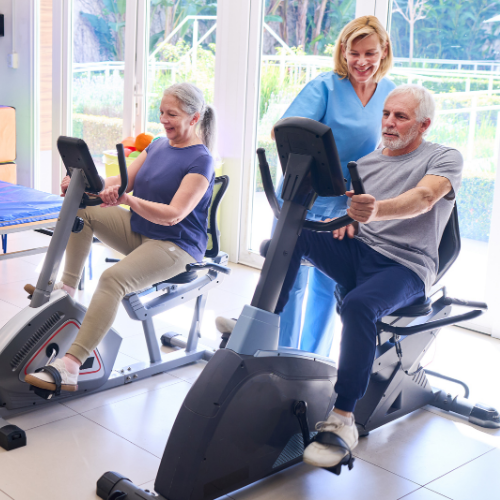
Each person and case is unique, and it's important to check with your physician before resuming any physical activity, including intimate acts of pleasure. For most people, roughly two weeks after an uncomplicated heart attack is a reasonable general timeframe, once you're managing mild-to-moderate activity without symptoms. If you've had heart surgery, plan on waiting at least six weeks for your chest incision to heal.1
Cardiac rehab, a structured, gradually increasing exercise program, is one of the best ways to rebuild both your stamina and your confidence at the same time.2 It's also a natural place to bring up questions about sex, since your rehab team can tell you how your heart is responding to exertion in general, which is a good proxy for how it will handle intimacy.
It's worth noting, too, that staying sexually active during recovery isn't just about quality of life. Research following heart attack survivors over more than two decades found that those who had sex more than once a week were notably less likely to die than those who abstained or had sex less often.2 Intimacy isn't something you have to sacrifice for your heart health, it can be part of it.
Take It at Your Own Pace
There's no prize for rushing back to exactly where things were before your heart attack. Give yourself permission to ease in slowly, and know that feeling less interested in sex for a while is common, whether that's from fatigue, worry about your heart, or a temporary dip in desire.3 This usually passes as your fitness and confidence return.
A few ways to ease back in:
- Start with the less active role. At first, let your partner do more of the physical work while you focus on relaxing into the experience.
- Try lower-energy forms of intimacy first. Touching, an erotic massage, or oral sex all take less physical exertion than intercourse and can still meet both partners' needs while your stamina rebuilds.
- Remember that connection doesn't require sex at all. Kissing, cuddling, holding hands, and simply spending unhurried time together all count as real intimacy, especially in the earlier weeks of recovery.
- Pick a good time. Being well-rested matters. Avoid sex right after a heavy meal, after drinking alcohol, or when you're overtired, since all of these put extra demand on your heart.
- Set the mood deliberately. A relaxed, unhurried atmosphere helps lower anxiety, which itself reduces strain on the heart.
Energy Conservation: Positioning That Reduces Cardiac Strain

Energy conservation, using positioning and support to reduce the physical effort a task requires, is a recognized part of cardiac recovery, and it applies just as much to intimacy as it does to housework or exercise. Certain positions ask less of your cardiovascular system, and a few tools can make those positions easier to get into and stay in without extra exertion.
Side-lying positions tend to be easier on the heart and can also make breathing more comfortable.4 If you've had heart surgery, positions that avoid pressure on your breastbone are worth choosing deliberately while that area heals.3
Supportive furniture can take a lot of the physical load off your body, letting you settle into a position instead of working to hold it. The Liberator Ramp is a full-body wedge that supports both the torso and hips at once, so you can relax into oral, penetrative, or reclined positions without the constant muscle engagement. It's a good fit for anyone managing reduced endurance or fatigue during recovery.

For something lighter and easier to store, the Frisky Mount Me Inflatable Positioning Pillow lifts the hips to ease strain on the lower back and knees, with adjustable firmness so you can dial in exactly how much support you need. Because it's lightweight and portable, it's a practical option if you're easing into intimacy gradually and want something low-effort to set up.

Browse the full positioning and stabilization collection or the comfort and pain reduction collection for more options built around reducing physical effort.
Hands-Free and Low-Effort Options
Hands-free products can take energy conservation a step further by removing the physical work of holding or maneuvering a toy altogether, which can be especially useful while you're rebuilding stamina.
The Bedroom Bliss Lover's Grinder stays securely in place with a suction cup base, so there's no need to hold it, brace against it, or readjust it mid-session. A wireless remote lets you or your partner change speed and intensity from across the bed, which means you can settle into a comfortable, low-exertion position and simply let the stimulation happen around you rather than actively working for it.

The Pivot Convertible Toy Mount works a little differently. Instead of being a toy on its own, it's a stabilizing mount that holds a wide range of vibrators securely in place, so you never have to grip or reposition one during use. That makes it a flexible option if you already have a favorite toy and simply want to take the physical effort of holding it out of the equation, which can matter a lot on days when arm or hand fatigue is part of the picture.

The Liberator Fleshlight Doggy Style Position Toy Mount offers stable, hands-free support built around a dense foam core, so it stays put rather than sliding or shifting mid-session. Great for solo play or for partnered exploration. It recreates a from-behind angle without requiring you to hold a position or a toy, making it easier to set your own rhythm and stop to rest whenever your body asks, without losing your place.

Explore the full hands-free and low-effort collection for more ways to stay intimate without pushing past what your body is ready for.
Medications and Sex After a Heart Attack
Some heart medications can reduce desire or make erections more difficult, and it's worth mentioning this to your doctor rather than stopping medication on your own.3 If you take medicine for erectile dysfunction, it's important to check for interactions with your heart medications, especially nitrates, since combining the two can cause a dangerous drop in blood pressure.1
A few practical tips: if vaginal dryness is an issue, adaptive lubricants are a wonderful necessity and are designed to complement and enhance pleasure during penetrative sex. If blood pressure medication is affecting your ability to get an erection, timing sex before your next dose, in consultation with your doctor, may help.3 And if you're experiencing angina, your doctor may recommend taking a GTN tablet or spray beforehand as a preventive measure.4
When to Stop and Seek Help
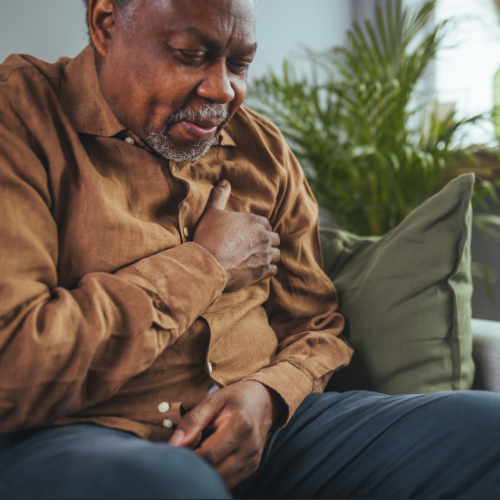
If you become severely breathless, develop chest pain, or notice palpitations during sex, slow down or stop and rest. If those symptoms don't ease up, or get worse, contact your doctor. If your symptoms go away once you stop, it's still worth mentioning to your GP or cardiologist at your next visit, just to be safe.4
You're Not Alone in This
It's completely normal to feel anxious about resuming sex after a heart attack, and you're far from the only one. Studies have found that roughly half of patients and nearly as many of their partners describe real fear about resuming sex after a cardiac event.2 That fear tends to fade as confidence and fitness return, and talking openly with your partner about it, rather than avoiding the subject, tends to help both of you get there faster.3
If you haven't yet had this conversation with your own doctor, our guide on how to talk to your doctor about sexual wellbeing can help you prepare for that appointment.
Frequently Asked Questions
Is sex safe after a heart attack?
For most people, yes. Sex is considered mild-to-moderate exertion, similar to climbing two flights of stairs. If you can do that without chest pain or shortness of breath, sex is generally safe, though your doctor should confirm timing based on your specific case and recovery.
How long should I wait to have sex after a heart attack?
There's no universal answer as each person and case are unique, but many people are cleared to have sex about two weeks after an uncomplicated heart attack. After heart surgery, plan on waiting at least six weeks for your incision to heal. Always confirm your personal timeline with your cardiologist or rehab team.
Can sex cause another heart attack?
It's very rare. Sex places about the same demand on your heart as everyday activities like climbing stairs or even arguing. Once you're cleared for mild-to-moderate activity, the risk of sex triggering another cardiac event is low.
What positions are easier on the heart after a heart attack?
Side-lying positions are generally gentler and can make breathing easier. If you've had heart surgery, positions that avoid pressure on your breastbone are worth choosing while you heal. Supportive pillows and wedges can also reduce the physical effort needed to hold a position.
Can heart medications affect my sex life?
Yes, some can reduce desire or affect erections. Never stop a heart medication on your own, talk to your doctor instead. If you take erectile dysfunction medication, make sure it's safe to combine with your heart medications, particularly nitrates.
Products Featured in This Article
Disclaimer: This content is for educational purposes only. Intimacy Rehab does not provide medical diagnosis. Always consult your healthcare provider about medical concerns related to your specific condition.
References
- LeWine, H. E. When Is It Safe to Have Sex After a Heart Attack? Harvard Health Publishing. 2021.
- Having Sex After a Heart Attack - What You Need to Know. UT Southwestern Medical Center MedBlog. 2022.
- Relationships and Sex After a Heart Attack. Heart Foundation Australia. 2025.
- Sexual Activity Following a Heart Attack. Chelsea and Westminster Hospital NHS Foundation Trust.
Related Articles

Explore Adaptive Intimacy Products
Browse our curated collection of positioning aids, hands-free tools, and comfort products designed to make intimacy after a heart attack feel safe and low-effort.
Shop All Products