
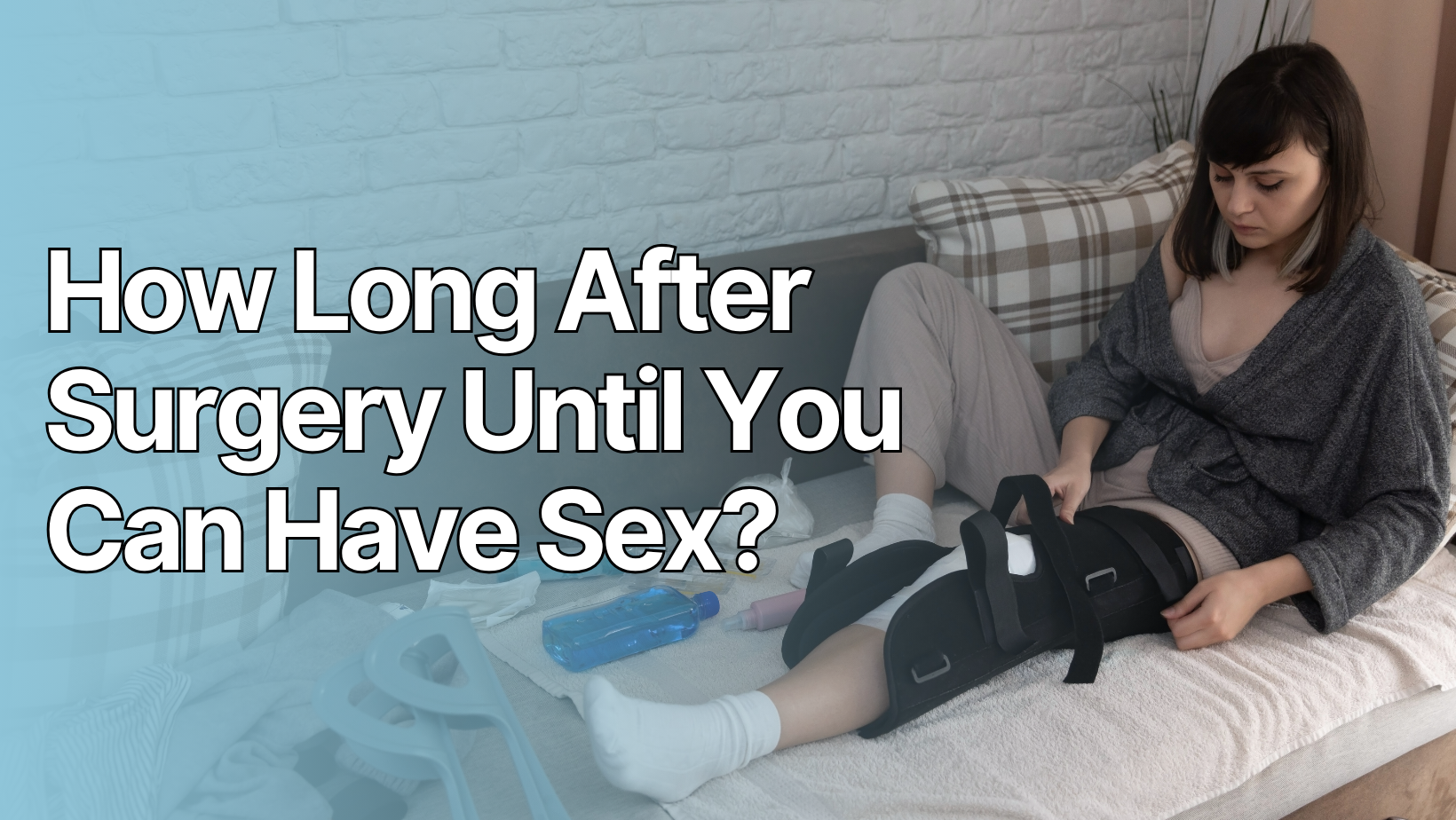

Recovering from surgery is a journey that affects not only your physical body, but also your sex life. A common question people have post-surgery but are often too afraid to ask is, “How long after surgery until you can have sex?” The answer can vary depending on the type of surgery, your individual healing rate, and your doctor's guidance.
As a general rule, most healthcare providers recommend waiting until your first post-operative appointment (usually 4-6 weeks after surgery) before resuming sexual activity. This waiting period will allow any incisions to heal, internal swelling to subside, and reduce the risk of infection or injury.
This timeline can change based on a variety of factors such as the severity of your procedure. Minor outpatient procedures like colonoscopies, cataract surgery, or laparoscopic diagnostics may require little to no waiting time before you can safely resume sex. Always confirm with your doctor before proceeding.
Key Takeaways
- Most surgeries require waiting until your first post-op appointment before resuming sex.
- Sex after surgery can actually support healing by reducing stress hormones and releasing endorphins.
- Different surgeries require different positioning strategies and precautions.
- Open communication with both your doctor and partner is essential for a safe return to intimacy.
- Products like positioning aids, lubes, and other support tools can make post-surgery intimacy pain more manageable.
Benefits of Sex After Surgery
While most people may worry about post-surgery intimacy pain, research suggests that returning to sexual activity when you're ready can actually support your recovery in several important ways.
- Sex may help healing rates.Studies have shown that intimacy and sexual activity release oxytocin (sometimes referred to as the “love hormone”), which, when combined with partner connection, may accelerate wound healing and reduce stress hormones like cortisol. The endorphins released during sexual activity can elevate mood and act as a natural stress reliever.
- Sex supports mental wellbeing.Major surgery often brings anxiety, depression, and body image concerns. Reconnecting intimately can reduce anxiety, rebuild confidence, and help you feel like yourself again. Many people find that returning to sexual activity marks an important milestone in feeling “back to normal.”
- Intimacy strengthens relationships. Going through a major surgery affects both partners. Finding your way back to each other (even if it looks a bit different now) can deepen trust, improve communication, and strengthen your bond.
Types of Surgeries and Ways to Navigate Sex Afterwards
There are many surgeries out there, and achieving comfortable intimacy after surgery can come in many different forms. Here are some tips on how to navigate sex after major surgery based on your procedure.
Knee, Elbow, or Other Joint Surgery
Joint surgeries require protecting the healing areas while maintaining mobility. Positioning aids like wedges and support furniture can help keep weight off the surgical joint. Many patients find side-lying positions most comfortable.

Bedroom Bliss Love Cushion Set
Hip Surgery
After a hip repair or replacement, you must avoid bending your hip beyond 90 degrees, crossing your legs, or twisting. Most surgeons recommend waiting 6-8 weeks before allowing more lower body mobility. Positioning pillows and positioning straps are especially helpful here. Standing positions or lying on your back with proper support are typically the safest.
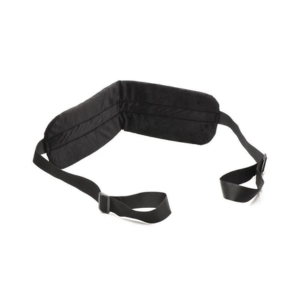
Bedroom Bliss Lover's Position Strap
Back and Spine Surgery
Spinal surgery requires extreme caution with twisting and bending. Support furniture and positioning wedgescan help you find comfortable angles that don't strain your spine. Consider exploring non-penetrative intimacy first, gradually working up to gentle positions as your surgeon approves.

Liberator Wedge Sex Pillow
Organ Removal (Hysterectomy, Kidney, Gallbladder, etc.)
Organ removal surgeries leave internal healing that you can't see. Even if external incisions look healed, internal tissues need time. Positioning wedges can reduce abdominal pressure, and lube addresses hormonal dryness that sometimes follows organ removal. Water-based lubes are good to have on hand as they are safe with all toy materials.

Wicked Sensual Care simply Aqua Water Based Lubricant
Amputations
Adapting to intimacy after an amputation involves both physical and emotional adjustment. Positioning wedges, furniture, and support straps can help both partners find comfortable arrangements that leave both parties satisfied. Many people discover that focusing on whole-body pleasure rather than specific acts opens new possibilities. For example, not forcing an orgasm but instead enjoying the sensation of being touched.

Pivot Inflatable Positioner Plus
Brain Surgery
Brain tumors and other brain injuries and their treatments can affect libido, energy levels, and emotional regulation. Fatigue is one of the longest-lasting side effects of brain surgery. Try planning intimacy for times when you feel most rested (mornings may be better for you than evenings). Arousal serums and other lubescan help with sensory changes and keep things interesting. Remember that intimacy isn't just about intercourse; holding hands, hugging, and gentle touching are equally meaningful.
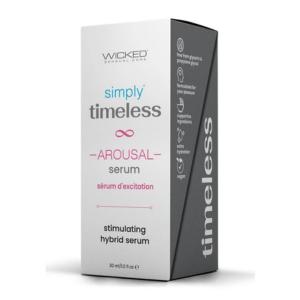
Wicked Sensual Care simply timeless Stimulating Hybrid Arousal Serum
Non-Invasive Surgeries with Incisions That Need Healing
Even “minor” procedures like laparoscopic surgery leave incisions that need protection. Positioning pillows can keep pressure away from the healing areas. Post-surgery intimacy pain is often more about incision sensitivity than the procedure itself.
How to Ask Your Doctor About Sex After Surgery
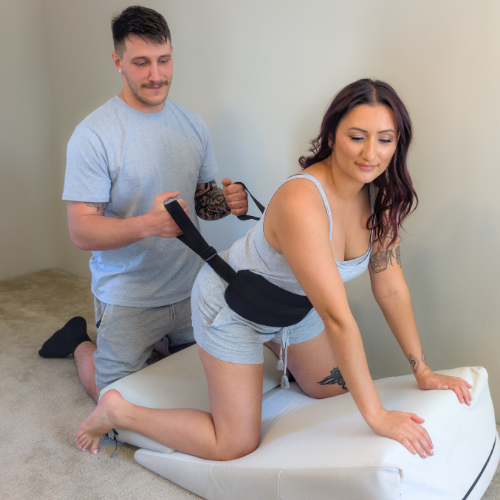
Many people feel embarrassed bringing up sex with their healthcare providers, but this is an absolutely appropriate question to ask. Your doctor has heard it all before, so don't feel embarrassed when asking about basic human necessities.
Key questions to ask your doctor:
- “Should I avoid putting pressure on certain areas?”
- “Will we need to take special precautions?”
- “Do my medications affect libido, cause vaginal dryness, increase or decrease pregnancy risk, or interfere with my current birth control?”
- “Is oral sex safe? Should we progress slowly, or is it okay to go right into intercourse?”
- “How will my treatment affect my sex life?”
- “I have been experiencing discomfort during intercourse. Is there a way this pain can be relieved?” (if you've started having sex again but are experiencing discomfort)
Your provider may not bring up sexual health and healing, but that doesn't mean you can't. Being specific helps them help you.
How to Discuss Intimacy and Healing with Your Partner

Recovering from surgery affects both of you. Open, honest conversations make the return to intimacy smoother and less stressful for everyone.
- Explain your healing process.Your partner can't read your mind or your medical chart. Share what your doctor(s) said, what movements are off-limits, and how you're feeling emotionally.
- Talk about what feels good (and what doesn't).Before you're back in the bedroom, have a conversation about positions that might work, areas that are sensitive, and what kind of touch feels supportive versus painful.
- Discuss medication side effects.Many post-surgery medications affect libido, energy, or physical response. Let your partner know this isn't about them, it's about biology.
- Reconnect slowly.There's no race to “perform.” Start with holding hands, cuddling, kissing, or massage. Many couples find that taking penetration off the table entirely for a while reduces pressure and allows for genuine connection to rebuild.
What to Keep in Mind
Returning to sex after surgery is a journey that requires patience, communication, and the right support tools. Remember that when to have sex after surgery is different for everyone. There is no “right” timeline except the one that works for your body, your healing, and your relationship. Listen to your doctor, listen to your body, and give yourself permission to take it slow. Sex after major surgery may look different than before, but it can still be pleasurable, connecting, and deeply satisfying.
FAQ: Sex After Surgery
How long after surgery can you have sex?
Most healthcare providers recommend waiting until your first post-operative appointment, usually 4 to 6 weeks after surgery, before resuming sexual activity. This allows incisions to heal, internal swelling to subside, and reduces the risk of infection or injury. Minor outpatient procedures may require little to no waiting time. Always confirm with your doctor before proceeding.
Can sex help you heal after surgery?
Yes. Returning to intimacy when you are ready may support recovery. Sexual activity releases oxytocin and endorphins, which can reduce stress hormones like cortisol, elevate mood, and support wound healing, while also strengthening emotional connection with your partner.
What are the best sex positions after surgery?
It depends on your procedure. Side-lying positions reduce pressure after joint surgery, while elevated or supported positions using wedges help after hip, back, or abdominal surgery. Positioning aids such as wedges, straps, and pillows keep weight off healing areas and reduce strain for both partners.
Is it normal to have pain during sex after surgery?
Some discomfort, especially incision sensitivity, can be normal early in recovery. Using lubricant, positioning aids, and going slowly can help. If pain persists, talk to your doctor, as it may be related to medication, hormonal dryness, or healing tissue.
How do I talk to my doctor about sex after surgery?
Be direct and specific. Ask whether you should avoid pressure on certain areas, whether your medications affect libido or birth control, whether oral sex or intercourse is safe, and how your treatment may affect your sex life. Providers hear these questions regularly, so there is no need to feel embarrassed.
Products Featured in This Article
Disclaimer: This content is for educational purposes only. Intimacy Rehab does not provide medical diagnosis. Always consult your healthcare provider about medical concerns related to your specific condition.
References
- Ubie Health. (2026). Resuming Intercourse After a C-Section: Medical Guidelines and Timelines.
- National Institutes of Health (NIH) / JAMA Psychiatry. (2025). Intranasal Oxytocin and Physical Intimacy for Dermatological Wound Healing and Neuroendocrine Stress: A Randomized Clinical Trial.
- London Health Sciences Centre. Sexual Activity After Joint Replacement Surgery.
- Memorial Sloan Kettering Cancer Center (MSKCC). Living Beyond Cancer: Sexual Health FAQs.
- American Brain Tumor Association (ABTA). (2025). Understanding Sex and Intimacy After a Brain Tumor Diagnosis.
- Thomson Medical. (2025). Sex After C-Section: When It's Safe and How to Stay Comfortable.
- Ubie Health. (2026). Better Mobility, Better Sex? Life After Hip Surgery & Your Next Steps.
- Cancer Council NSW. (2025). Common Sex Questions.
Related Articles



Explore Adaptive Intimacy Products
Browse our curated collection of positioning aids, lubricants, and support tools designed to make intimacy after surgery more comfortable.
Shop All Products