After Surgery & Recovery: Navigating Intimacy During Healing
Recovering from surgery can change the way your body feels, moves, responds, and communicates. For many people, intimacy after surgery brings up questions that are hard to ask out loud: When is it safe to have sex after surgery? What positions are okay? What if my body looks or feels different? What if desire has changed? What if I am scared of pain, pressure, or doing something "wrong"?
These questions are normal. Intimacy is part of quality of life, and recovery is not only about incisions, medications, and follow-up appointments. It is also about comfort, confidence, connection, pleasure, and feeling at home in your body again.
This guide is designed for people recovering from surgery, including older adults, disabled people, people with chronic pain, people recovering from gender-affirming surgery, and anyone who needs gentler, more supported ways to return to closeness. It includes general information about sex after surgery, but it does not replace medical advice. Always follow your surgeon's instructions, especially if you had pelvic, abdominal, heart, spine, joint, breast, prostate, or gender-affirming surgery.
The Most Important Rule: Wait Until Your Body Is Ready
There is no single timeline that works for every person or every procedure. The right time to resume sex after surgery depends on the type of surgery, where your incision is, how your pain is managed, whether you have swelling or bleeding, your energy level, and whether your doctor has cleared you for sexual activity.
For many surgeries, people are told to wait until incision sites are healed and after their first post-op visit. Some sources describe a general range of about two to six weeks, while more involved surgeries may require several weeks or months of healing. If you are wondering about having sex a week after surgery, the safest answer is: ask your surgeon before doing anything that could raise your heart rate, strain your incision, put pressure on healing tissue, or cause pain.
A helpful readiness checklist:
- Your surgeon has cleared you for sexual activity.
- Incisions are closed and healing well.
- You do not have new bleeding, discharge, fever, or signs of infection.
- You can move into and out of a position without sharp pain.
- You can breathe comfortably and do light activity without distress.
- You feel emotionally ready, not pressured.
- You and your partner can stop immediately if something hurts.
If sex causes pain, dizziness, shortness of breath, incision pulling, bleeding, or anxiety that feels overwhelming, stop and check in with your care team.
Intimacy Does Not Have to Start With Intercourse
After surgery, many people need to rebuild intimacy slowly. That does not mean your sex life is over. It means your body may need a softer re-entry.
You can start with:
- Holding hands
- Kissing
- Cuddling
- Massage around areas that are not sore
- Mutual masturbation
- Using a vibrator externally
- Oral sex, if your surgery and doctor's instructions allow it
- Erotic conversation
- Showering together, if safe
- Lying close with pillows for support
This is especially helpful after abdominal surgery, myomectomy surgery, gallbladder surgery, hernia repair surgery, mastectomy surgery, prostatectomy surgery, bariatric surgery, back surgery, spinal fusion surgery, shoulder surgery, knee surgery, hip replacement surgery, rotator cuff surgery, heart surgery, and gender-affirming procedures.
The goal is not to "perform." The goal is to find what feels safe, wanted, and comfortable.
Talking With Your Doctor About Sex After Surgery
Many people feel embarrassed asking about sex, anal sex, oral sex, masturbation, sex toys, strap-ons, or positions. But surgeons and medical providers need to know what activities you plan to resume so they can give useful guidance.
You can ask:
- "When can I safely have sex after surgery?"
- "Are there positions I should avoid?"
- "Can I have oral sex after prostate surgery?"
- "When is anal sex after prostate surgery safe, if at all?"
- "Can I use a vibrator or external toy?"
- "Can I use pillows, wedges, supports, or other positioning tools?"
- "How long should I avoid pressure on my abdomen, chest, pelvis, shoulder, knee, hip, or back?"
- "What symptoms mean I should stop and call you?"
- "Are there any restrictions on orgasm, arousal, penetration, or pelvic floor strain?"
- "What kinds of touch or stimulation are safest while I'm healing?"
If you are recovering from gender-affirming surgery, you may also ask specific questions about dilation, external stimulation, scar tissue, numbness, nerve healing, swelling, lubrication, sensation changes, and when different kinds of touch or penetration may be safe.
Choosing Safer Positions After Surgery
The safest positions after surgery are usually the ones that reduce pressure, protect healing areas, and let the recovering person control movement, depth, and speed.
General tips:
- Use pillows, wedges, rolled towels, or positioning supports.
- Avoid sudden movements.
- Keep pressure off incisions.
- Choose positions where the recovering person can stop easily.
- Avoid weight-bearing on painful joints, shoulders, wrists, knees, hips, or the abdomen.
- Try shorter sessions.
- Use plenty of lubricant when penetration is allowed.
- Keep communication simple: "slower," "stop," "less pressure," "more support," or "not today."
Related Reading
Articles from our blog on related topics
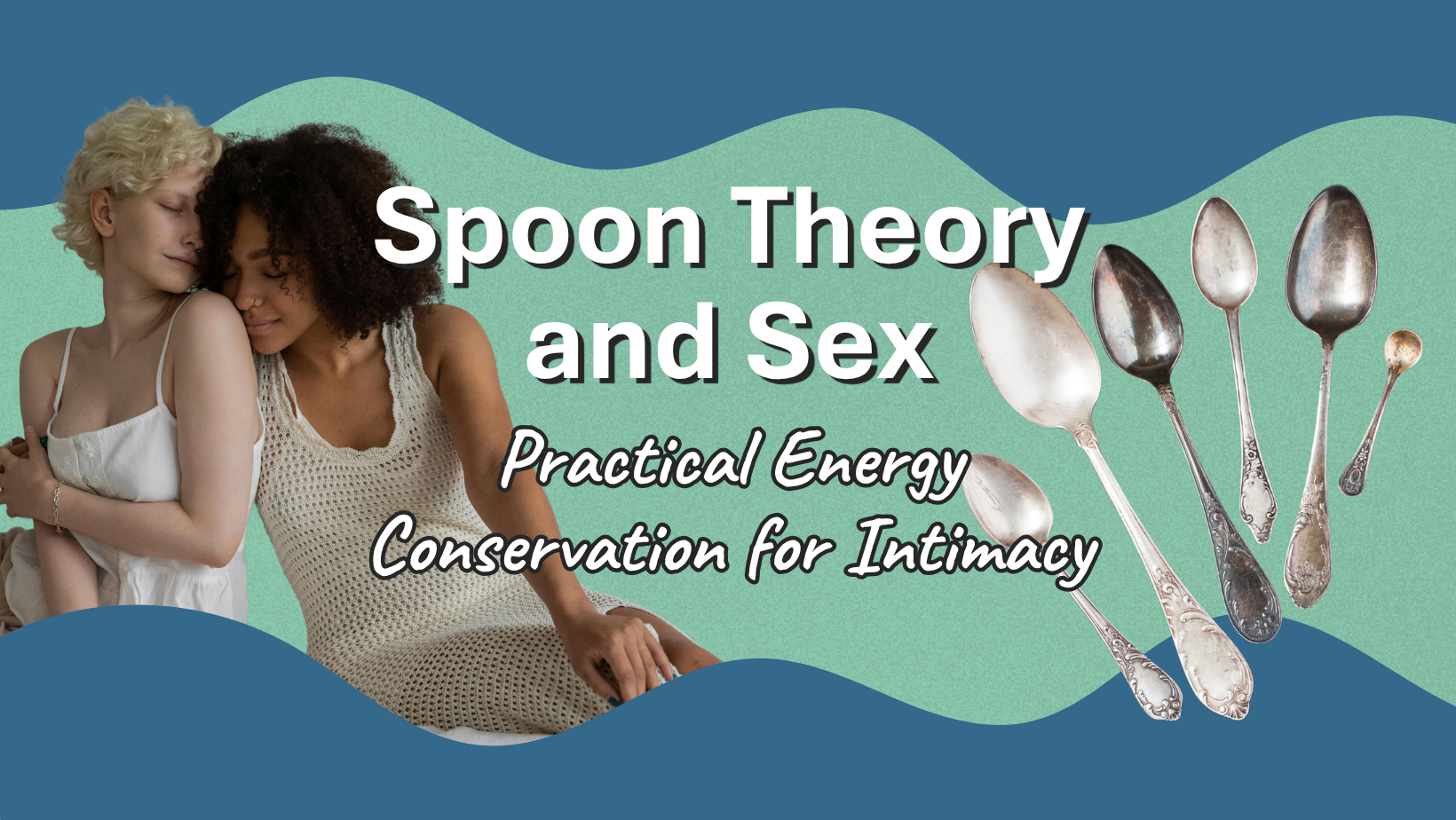
Spoon theory and sex made practical: learn energy conservation tips for chronic fatigue and sex, plus low energy intimacy ideas and tools that save energy. Discover how to budget spoons for connection, choose less strenuous ways to share pleasure, and let positioning aids do more of the work.

Living with lupus, RA, or another autoimmune disease? Learn how to manage intimacy during flares, conserve energy, and reconnect with your partner, plus comfort pillows, hands-free tools, lubrication, and what to know about medications and libido. Find gentle, flexible ways to stay close to your partner, even on high-symptom days.

Wondering if sex is safe after a heart attack? Learn safe timing, energy-saving positions, and how cardiac rehab supports intimacy, plus hands-free tools, medication considerations, and when to stop and seek help. Rebuild confidence at your own pace with practical guidance for you and your partner as you return to intimacy.
Sex After Abdominal Surgery, Hernia Surgery, Gallbladder Surgery, and Myomectomy
Sex after abdominal surgery often requires extra caution because movement, thrusting, orgasm, or pressure can strain the abdomen. This may apply to sex after gallbladder surgery, sex after hernia surgery recovery, sex after hernia repair surgery, sex after myomectomy surgery, and sex after laparoscopic procedures.
If you are asking, "How long after gallbladder surgery can I have sex?" the answer depends on whether your surgery was laparoscopic or open, how your incisions are healing, and whether you still have pain. Many people are advised to wait until incisions are healed and they are cleared at a follow-up visit.
Try positions that:
- Keep pressure off the belly
- Avoid deep bending or twisting
- Allow the recovering person to lie supported
- Use pillows under knees, hips, back, or sides
- Keep movement slow and shallow at first
Avoid positions that press directly on the abdomen, require strong core engagement, or cause pulling around incision sites.
Explore supportive products for this topic:
Sex After Prostate Surgery: What to Expect
Sex after prostate surgery can involve physical and emotional changes. If you are searching for what to expect with sex after prostate surgery, sex after prostatectomy surgery, oral sex after prostate surgery, anal sex after prostate surgery, or looking for sex aids after prostate surgery, it is important to know that recovery can take time.
After prostatectomy surgery, erections may change because nerves and blood flow can be affected. Some people experience temporary or ongoing erectile dysfunction. Orgasms may feel different. Ejaculation may be absent or "dry" after prostate removal. Desire may still be present, but confidence may need rebuilding.
Penile rehabilitation may include medical options such as oral medications, vacuum erection devices, suppositories, injections, or other treatments recommended by a doctor. Intimacy can also include touch, oral sex, toys, massage, and pleasure that does not depend on erections.
Anal sex after prostate surgery requires direct medical clearance. Because prostate, rectal, anal, pelvic, and abdominal surgeries can involve delicate healing tissues, anal penetration may need to be avoided for a longer period. Use lubricant, go slowly, and do not resume until your surgeon says it is safe.
Sex After Bariatric Surgery
Sex after bariatric surgery can change in many ways. Some people experience improved mobility, energy, blood flow, sleep, hormone balance, and body confidence over time. Others may feel emotionally tender, disconnected from their changing body, fatigued, nauseated, or worried about loose skin, scars, or pressure around the abdomen.
There is no one "right" emotional response. Bariatric surgery can affect hunger cues, hormones, fertility, energy levels, inflammation, mood, body image, and relationships. Intimacy may improve, pause, or simply feel different for a while.
For comfort:
- Avoid pressure on the abdomen early in recovery.
- Choose supported side-lying or seated positions when cleared.
- Keep sessions short at first.
- Use pillows or supportive positioning tools to reduce strain.
- Talk openly with partners about body image and sensitivity.
- Ask your care team about pregnancy prevention, fertility changes, and timing if pregnancy is possible.
Explore supportive products for this topic:
Sex After Knee Surgery and Hip Replacement Surgery
Sex positions after knee surgery and sex after hip replacement surgery often need to protect the joint and reduce strain. After knee surgery, positions that avoid kneeling, deep bending, sudden twisting, or pressure on the incision are usually more comfortable. After hip replacement, follow all movement restrictions from your surgeon, especially if you were told not to cross your legs, bend past a certain angle, or rotate the hip.
Potentially easier options may include:
- Side-lying with pillows
- Seated positions
- Face-to-face with support
- Lying at the edge of the bed
- Partner-on-top positions where the recovering person does less movement
- Standing positions only if balance is safe and approved
If you have limited mobility, balance concerns, arthritis, chronic pain, or fatigue, consider supports that reduce effort and stabilize the body.
Sex After Shoulder Surgery or Rotator Cuff Surgery
Sex after shoulder surgery and sex after rotator cuff surgery can be challenging because many positions rely on the arms for balance, pushing, bracing, reaching, or holding body weight. Avoid putting weight on the healing shoulder or reaching overhead before you are cleared.
Helpful adjustments:
- Keep the recovering arm supported with pillows.
- Avoid positions where you must hold yourself up.
- Use hands-free or low-effort toys.
- Try side-lying positions.
- Keep movements slow and avoid tugging or twisting the shoulder.
- Consider body-mounted or hands-free options only if they do not require painful shoulder movement.
Sex After Back Surgery or Spinal Fusion Surgery
Sex after back surgery and sex after spinal fusion surgery should be approached carefully. The spine may need protection from bending, twisting, compression, and sudden movement. Pain, nerve symptoms, muscle weakness, and fatigue can all affect intimacy.
Helpful approaches:
- Keep the spine neutral when possible.
- Use firm pillows or supportive positioning tools.
- Avoid positions that require twisting.
- Choose positions where the recovering person controls movement.
- Consider side-lying, supported seated, or modified face-to-face positions.
- Stop if there is sharp pain, numbness, tingling, weakness, or radiating symptoms.
Sex After Heart Surgery
Sex after heart surgery is often treated like a return to physical activity. Some cardiac guidance compares sex to mild or moderate exercise, but recovery depends on the person, the surgery, the sternum or incision, heart function, medications, and endurance.
You may need to wait longer if you had open-heart surgery, if your sternum is still healing, if you have shortness of breath, dizziness, chest pain, or if your cardiologist wants testing before clearing sexual activity.
Safer steps:
- Ask your cardiologist or surgeon when sex is safe.
- Start with gentle, low-effort intimacy.
- Avoid positions that put pressure on the chest.
- Avoid holding your breath or straining.
- Keep medication instructions nearby.
- Stop and seek medical help for chest pain, severe shortness of breath, fainting, or irregular heartbeat symptoms.
Explore supportive products for this topic:
Sex After Mastectomy Surgery
Sex after mastectomy surgery can involve tenderness, numbness, scars, drains, swelling, body image grief, changes in nipple sensation, and fear of being touched near the chest. Some people want touch and reassurance. Others need more time before being seen or touched.
Both responses are valid.
Helpful ideas:
- Start with clothed intimacy if that feels safer.
- Tell your partner where touch is welcome, uncertain, or off-limits.
- Use pillows to support the chest, arms, and shoulders.
- Explore non-chest erogenous zones.
- Try massage, kissing, oral sex, or external stimulation when cleared.
- Consider soft clothing, wraps, or adaptive garments if they help you feel more comfortable.
MTF Sex After Surgery and Gender-Affirming Recovery
MTF sex after surgery, often referring to sex after vaginoplasty or other gender-affirming procedures, should always follow the specific instructions of the surgical team. Healing timelines vary widely depending on the procedure, technique, dilation schedule, swelling, scars, sensation, and complications.
It is also important to use respectful language. Many people search "sex change surgery before and after," but terms like gender-affirming surgery, vaginoplasty, vulvoplasty, orchiectomy, phalloplasty, metoidioplasty, or gender confirmation surgery are more accurate and respectful.
After gender-affirming surgery, intimacy may include:
- Relearning sensation
- Scar care
- Dilation routines
- Lubrication needs
- Nerve healing
- Pelvic floor tension
- Emotional vulnerability
- Joy, affirmation, grief, or fear
Go slowly. Use lubricant generously when penetration is approved. Avoid pressure on healing tissue. Communicate clearly with partners. If pain, bleeding, odor, unusual discharge, or significant swelling occurs, contact your surgical team.
Sex After Cataract Surgery
Sex after cataract surgery may seem unrelated to intimacy, but sexual activity can raise blood pressure and eye pressure in a way that may matter during early healing. Many people are told to avoid strenuous activity for a short period after cataract surgery, but instructions vary.
Ask your ophthalmologist when sex is safe, especially if you have pressure restrictions or complications. When you resume, avoid positions that put the head below the body, create strain, or risk accidental pressure near the eye.
Explore supportive products for this topic:
Anal Sex After Surgery
Anal sex after surgery requires extra caution, especially after abdominal, pelvic, rectal, colon, anal, prostate, gynecologic, or gender-affirming surgery. Anal tissue can tear, and pressure can affect nearby healing structures.
Do not resume anal sex until your provider clears you.
When cleared:
- Use plenty of lubricant.
- Choose gentle, gradual penetration.
- Avoid numbing products that hide pain.
- Avoid vigorous thrusting early on.
- Use condoms or barriers when needed to reduce infection risk.
- Stop for pain, bleeding, sharp pressure, or unusual symptoms.
- Avoid scented or irritating products.
Explore supportive products for this topic:
Sex Toys, Strap-Ons, and Aids After Surgery
Sex aids can make intimacy more accessible after surgery, especially for people with limited mobility, fatigue, pain, reduced sensation, erectile changes, grip limitations, or range-of-motion restrictions.
Depending on your recovery and medical clearance, helpful options may include:
- Vibrators for external stimulation
- Hands-free toys
- Cushions, wedges, and supportive positioning tools
- Low-effort toys for limited grip or stamina
- Adjustable supports for reduced strain
- Body-mounted options that reduce hand, shoulder, hip, or back effort
- Lubricants for dryness, friction, or scar sensitivity
- Mounts or holders for easier access and less physical strain
The right aid depends on your body and your recovery. A hands-free toy may be helpful if you are healing from shoulder, wrist, or hand surgery. A toy with a handle may help if reach is difficult. A supportive position may reduce strain after back, hip, knee, or abdominal surgery. Avoid any product, position, or setup that strains incisions, joints, the spine, the chest, the pelvis, or the abdomen.
Lubrication, Skin, and Sensation During Recovery
Surgery, stress, menopause, medications, hormonal changes, gender-affirming care, cancer treatment, and reduced arousal can all affect lubrication and sensation. Dryness or friction can make sex painful, especially when tissues are healing or sensitive.
Consider:
- Water-based lubricant for most situations
- Thicker gel lubricant for cushioning
- Silicone lubricant if longer-lasting glide is appropriate and compatible with your toys
- Gentle, fragrance-free products for sensitive skin
- Avoiding warming, cooling, numbing, or heavily scented products early in recovery
- Using more lubricant than you think you need
If you have reduced sensation, numbness, nerve changes, or heightened sensitivity, go slowly. Check the skin after play. Pain is not the only sign of irritation; redness, swelling, burning, or unusual soreness may also mean you need to pause.
Explore supportive products for this topic:
Emotional Recovery and Body Confidence
Surgery can change your relationship with your body. You may feel grateful, angry, relieved, scared, disconnected, unattractive, impatient, or unsure. You may worry your partner sees you differently. You may want sex but fear pain. You may not want sex at all for a while.
All of this is normal.
Helpful reminders:
- You do not owe anyone sex because your doctor says it is "allowed."
- Wanting to wait is valid.
- Wanting intimacy sooner is also valid, but safety matters.
- Your body may need new kinds of pleasure.
- Scars, swelling, weakness, erectile changes, dryness, numbness, or fatigue do not make you less desirable.
- Communication is part of recovery.
Try saying:
- "I want to be close, but I'm nervous."
- "Can we start with cuddling?"
- "Please avoid this area."
- "I need to be in control of depth and speed."
- "I want to stop before I get tired."
- "I'm not ready for penetration, but I still want pleasure."
When to Stop and Call a Doctor
Stop sexual activity and contact your healthcare provider if you experience:
- New or worsening pain
- Bleeding beyond what your doctor told you to expect
- Incision opening or drainage
- Fever
- Foul odor or unusual discharge
- Dizziness or fainting
- Chest pain
- Shortness of breath
- New numbness, weakness, or nerve symptoms
- Swelling that worsens after sex
- Pelvic pain that does not improve
- Pain with penetration that continues over time
- Any feeling that something is not right
For urgent symptoms such as chest pain, severe shortness of breath, fainting, heavy bleeding, or signs of serious infection, seek emergency care.
Sex and Intimacy After Surgery
Sex after surgery is not about rushing back to what you did before. It is about listening to your body, respecting your healing, and finding new ways to experience closeness and pleasure safely.
Whether you are navigating sex after prostate surgery, sex after bariatric surgery, sex after abdominal surgery, sex after mastectomy surgery, sex after heart surgery, sex after back surgery, sex after spinal fusion surgery, sex after knee surgery, sex after shoulder surgery, sex after hip replacement surgery, sex after gallbladder surgery, sex after cataract surgery, sex after hernia repair surgery, sex after myomectomy surgery, MTF sex after surgery, oral sex after prostate surgery, anal sex after prostate surgery, or general sex after surgery, you deserve clear information, supportive tools, and compassionate care.
Healing takes time. Intimacy can wait, adapt, soften, and return in ways that honor the body you have now.
Related Answers
Other Resources
- https://www.mountsinai.org/care/urology/services/robotic-surgery/da-vinci/sex-after-surgery
- https://practiceplusgroup.com/knowledge-hub/sex-after-surgery/
- https://pmc.ncbi.nlm.nih.gov/articles/PMC4373522/
- https://www.masjax.com/how-will-intimacy-change-after-bariatric-surgery/
- https://www.verywellhealth.com/when-can-i-have-sex-after-surgery-3156916
- https://www.verywellhealth.com/anal-sex-after-surgery-3156841
- https://medexpertclinic.com/intimacy-after-surgery-recovery-guide/
- https://cocoona.in/when-can-i-resume-sexual-activity-after-surgery/
- https://chiavaye.com/blogs/endometriosis/sex-after-laparoscopy-for-endometriosis
Medical Advisory Disclaimer
The information and products provided by Intimacy Rehab are intended for educational and informational purposes only and are not a substitute for professional medical advice, diagnosis, or treatment. Individual needs and medical circumstances vary. We encourage all users to consult with their healthcare providers regarding questions about sexual health, intimacy, and the appropriate use of any products—especially following illness, injury, surgery, or during ongoing medical treatment.